Software Engineer & Applied AI EngineerEnd-to-End Product Engineering
I turn complex problems into intelligent software — from first-principles reasoning and product architecture to development, deployment, and continuous improvement.
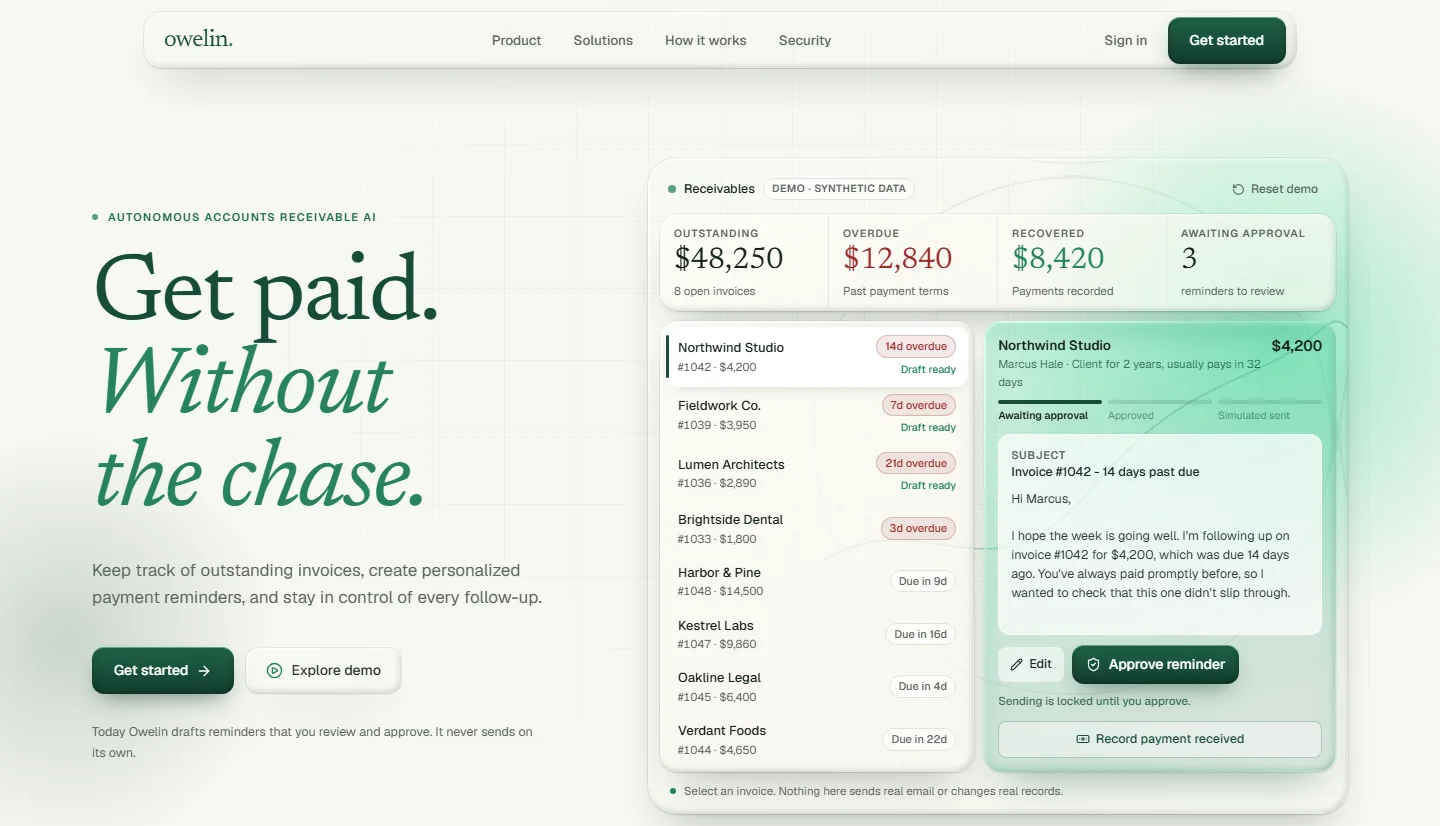
Recent work: a financial-intelligence assistant, an AI reminder platform and a multi-agent business AI research project. Open to software and applied AI engineering roles.
Feedback paths: what validation and delivery learn flows back to reasoning, strategy and architecture.
Think · Stage 1 of 8
DiscoverProblem intelligence
What is the real problem?
I separate the symptom from the problem and write down what is known, unknown and constrained before anything is designed.
Problem discovery
Root-cause analysis
Requirements clarification
User and business needs
Ambiguity management
Constraint identification
OutputA clear problem definition, requirements and constraints.
Seen in practice
Money in different currencies is never added together.
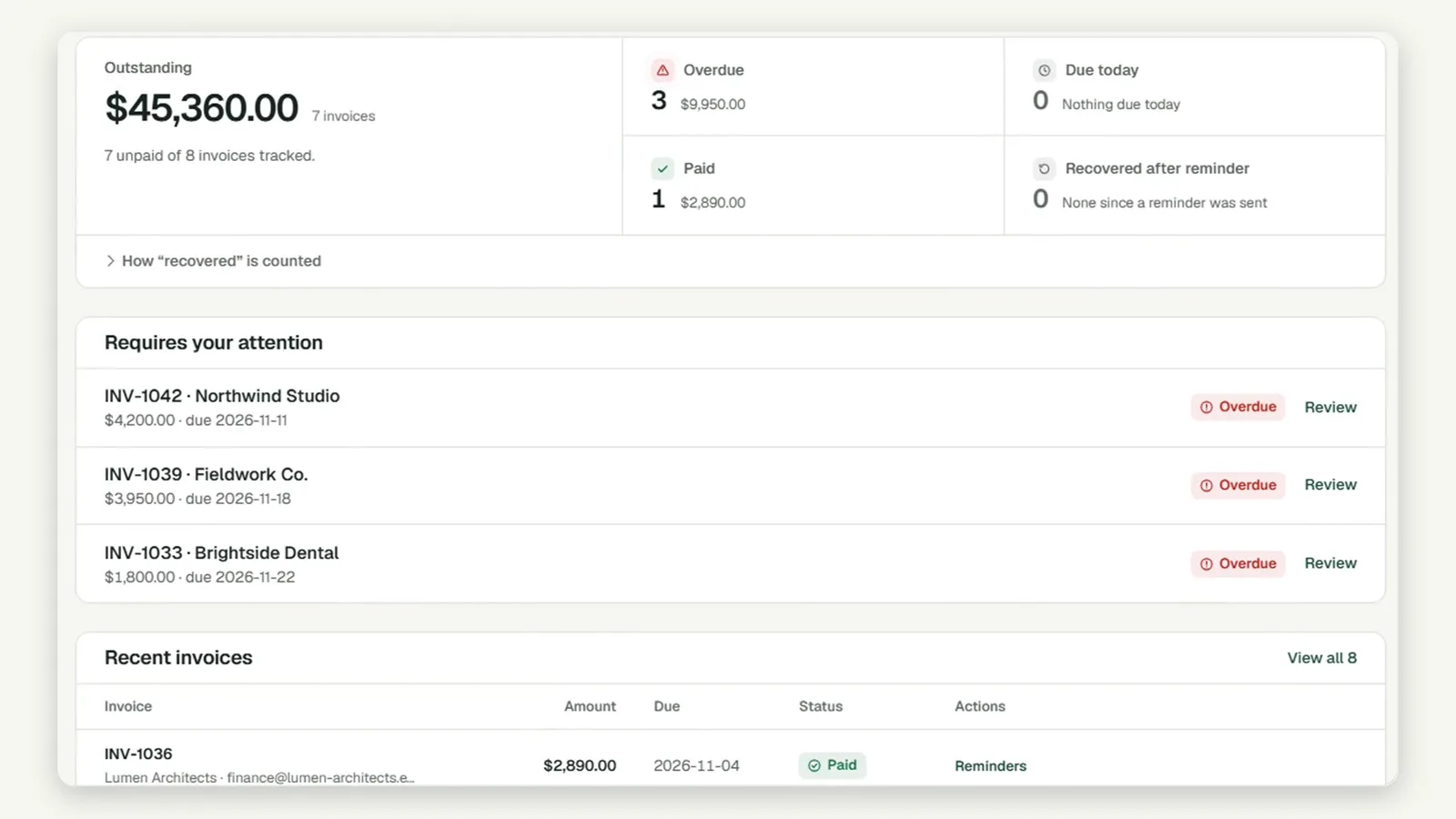
Receivables arrive in several currencies. The dashboard groups amounts per currency and never adds them together.
Domain constraint first
Honest totals
owelin. · Documented in the repository. Stated in the project README and covered by named dashboard test suites. Limit: Interface shown on a synthetic demo workspace; no live customers.
Think · Stage 2 of 8
ReasonDeep analytical reasoning
What assumptions could be wrong?
Before committing, I list what a solution depends on, test the weakest assumption, and compare real alternatives.
First-principles thinking
Logical reasoning
Problem decomposition
Alternative solutions
Evidence-based judgment
Assumption testing
Trade-off analysis
OutputEvaluated assumptions, alternatives and a decision rationale.
Seen in practice
Report what happened, not what it caused.
Reporting what a reminder achieved. “Recovered after reminder” counts an invoice only if it was paid after a provider-confirmed send, and the interface says it records the order of events, not cause.
Don't over-claim causation
Precise wording
owelin. · Documented in the repository. README and the dashboard wording in the application source. Limit: No recovery rates or revenue are claimed anywhere in this portfolio.
Think · Stage 3 of 8
StrategizeProduct intelligence
What should we build, and why?
Not everything that can be built should be. I define the smallest version that proves value, and what to leave out.
Product vision
Business value
User-centered thinking
Technical feasibility
Strategic prioritization
MVP definition
Resource optimization
Success criteria
OutputA prioritized product scope and measurable objectives.
Seen in practice
Say what is available, and what is only planned.
Scoping an MVP for a product people are asked to trust. The public site separates what the MVP offers (CSV import, drafted reminders, human approval, tracking what is outstanding, overdue and paid) from what is planned and not yet available, and states that security certifications will be published only once verified.
Smallest scope that proves value
Clear product boundary
owelin. · Stated by the product. The Trust & control section of the live owelin. site. Limit: Controlled access: registration is restricted, and no customers or traction are claimed.
Architect · Stage 4 of 8
ArchitectSystems intelligence
How should the whole system work?
I design boundaries, data and failure paths on purpose, so a system is explainable before it is large.
System boundaries
Data modeling
API design
Dependency analysis
Security considerations
Reliability
Scalability planning
Infrastructure decisions
Cost-conscious architecture
Failure scenarios
OutputA system architecture and explicit technical decisions.
Seen in practice
Approving a reminder never sends it.
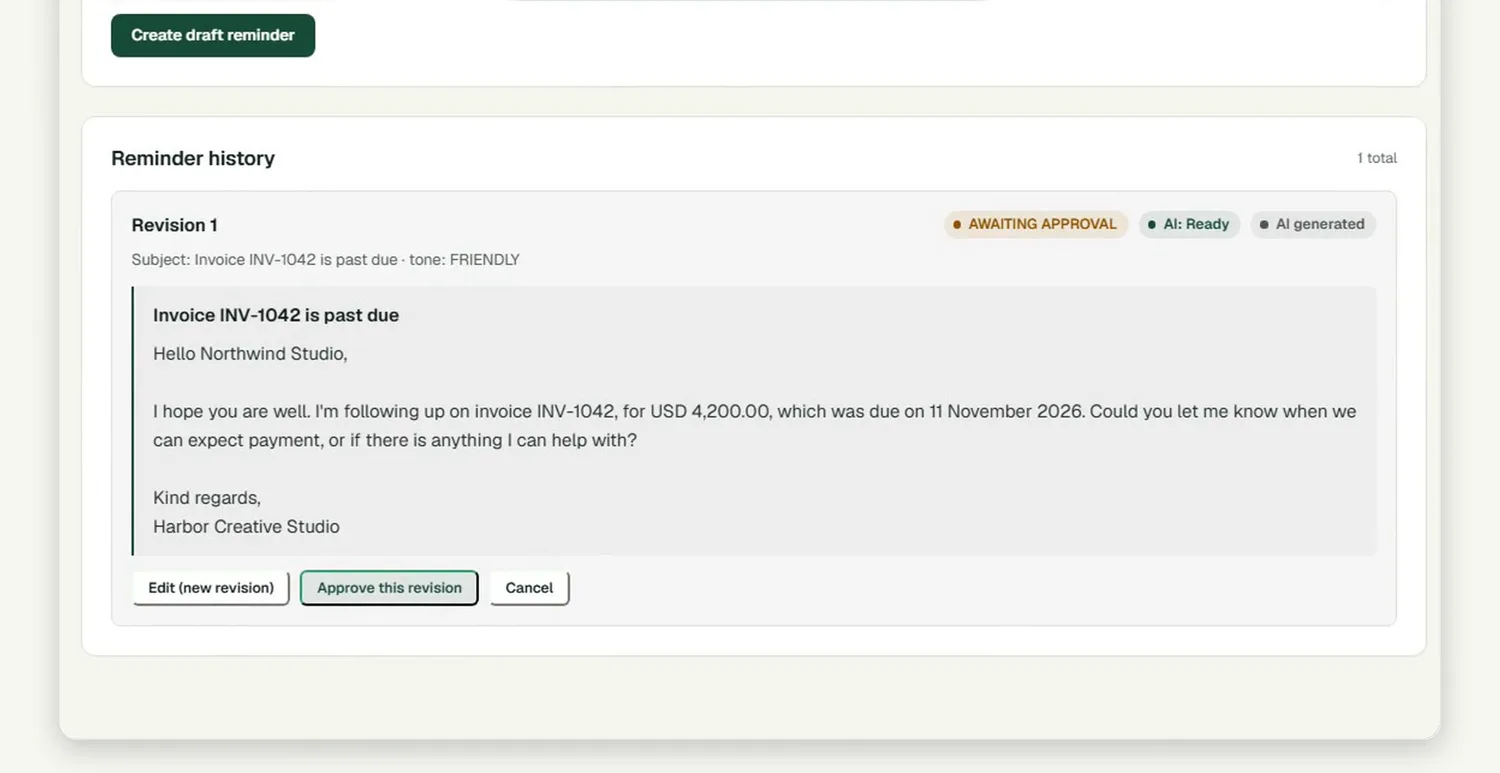
A reminder passes through drafting, approval and sending. Approving an exact revision and recipient never sends; sending is a separate, deliberate action run by a background worker. Ambiguous delivery outcomes become UNKNOWN, are never retried automatically, and are resolved by a person.
Separate approval from action
Plan for ambiguous failure
owelin. · Documented in the repository. README and named tests for unapproved-send refusal and delivery outcomes. Limit: Hosting and the sending worker are not enabled, so no delivery results are claimed.
Architect · Stage 5 of 8
PlanExecution intelligence
How do we turn complexity into manageable work?
I turn the architecture into milestones with acceptance criteria and quality gates, ordered by dependency and risk.
Project decomposition
Milestone planning
Task sequencing
Dependency management
Work-order design
Risk anticipation
Acceptance criteria
Iterative implementation
OutputAn actionable roadmap with clear quality gates.
Seen in practice
Milestones with gates, not one big build.
A large build with an open visual direction. Numbered milestones, each with written acceptance criteria and a review gate before the next begins. Two hero directions were built and compared in the running app before one was chosen.
Acceptance criteria first
Compare before committing
This portfolio · Build record. This site's Git history and per-milestone reports. Limit: Solo project; no external code review.
Build · Stage 6 of 8
ExecuteAI-augmented engineering
How do human and artificial intelligence work together?
AI accelerates research, drafting and debugging under written instructions. I own the decisions and review every output.
AI-assisted research
Context engineering
Structured prompting
AI-assisted implementation
Agentic workflows
Technical delegation
Human supervision
Output review
OutputWorking software produced through structured, reviewed workflows.
Seen in practice
AI drafts, a person decides.
AI-written reminders about money. Drafts use only the invoice's own facts, are schema-validated and fact-checked, fall back to a safe template, and never approve or send. A person edits (creating a new revision) and approves.
Ground output in facts
Validate, then approve
owelin. · Documented in the repository. README and named grounding and quality-gate test suites. Limit: Screens shown use a fixed demo draft on synthetic data, not live generation.
Build · Stage 7 of 8
ValidateCritical engineering judgment
How do we know it actually works?
Done means demonstrated. I test behaviour, edge cases and failure, and record what was verified and what was not.
Functional testing
Edge-case analysis
Failure analysis
Security review
Regression testing
Performance assessment
AI output verification
Evidence-based quality assurance
OutputVerified behaviour, test evidence and documented limitations.
Seen in practice
Test in the medium where the bugs live.
Interface bugs that only show up in a real browser. Reduced-motion testing exposed a hydration mismatch in the first hero animation; screenshot review caught clipped text on mobile; an accessibility scan flagged low-contrast dimmed text. Each was fixed and re-tested.
Verify in the real environment
Fix, then re-test
This portfolio · Build record. Milestone reports M2 and M3, with before-and-after runs. Limit: Chromium, Firefox and WebKit builds only (not real Safari); performance not yet measured.
Build · Stage 8 of 8
EvolveAdaptive delivery
How can the system get better?
Delivery starts the next loop: diagnose, measure, improve, and feed what was learned back into the earlier stages.
Deployment
Production diagnosis
Observability
Feedback analysis
Cost optimization
Performance improvement
Continuous learning
Iterative product evolution
OutputDelivered software and a structured improvement process.
Seen in practice
Let feedback rewrite the plan.
Feedback on the first visual direction. The first hero was judged too editorial and washed out, so typography, avatar scale, glass density and layout were revised and re-reviewed in the browser. The same loop replaced this section's earlier three-stage version.
Close the loop
Measure before claiming
This portfolio · Build record. Milestone reports M1 to M4 and the screenshots kept in the repository. Limit: No production traffic or analytics yet, so no measured improvement is claimed.
Human-led, AI-augmented.
AI accelerates research, drafting and debugging. It does not own decisions: every output is reviewed, tested, and accepted or rejected by me. This portfolio was built the same way, from written work orders, AI-assisted implementation and browser-based review.
1Human vision and reasoning
2Structured planning
3AI-assisted research and executionAI assists here
4Engineering review
5Validation
6Delivery
7Feedback
What delivery teaches goes back to the start.
Owned by meProblem definition, product direction, architecture, verification of AI output, quality and final delivery.
AI assists withResearch, drafting code, debugging and test scaffolding, always under written instructions and review.
Ideas into products. Intelligence into impact.
Two products and one research project, built around real problems, intelligent workflows and deliberate engineering decisions. Every screenshot comes from the product itself, and data shown is synthetic or generated for testing. The research project shows no screenshots because nothing is built yet.
Public site and role-based sign-in at finsyntra.vercel.app, cropped to fit. Select a screenshot to open it in full.
FinSyntra
Enterprise Financial Intelligence
The problem
Answers about budgets, ledgers and reports sit in scattered documents, and a general chatbot cannot be trusted with them.
What it does
Answers questions from an organization's own indexed documents, in English or Bangla, streaming the response as it is composed.
How it is built
A retrieval-augmented pipeline behind a FastAPI service, multi-tenant by design with role-based access. A React client streams answers over server-sent events.
Status
Public site and demonstration on a synthetic corpus for a fictional company; no real customer data. The demo sign-in is currently unavailable, so signed-in views are not shown.
Synthetic demo-environment captures, not production or customer data; the landing page is captured from the live public site. Select a screenshot to open it in full.
Import with confidence
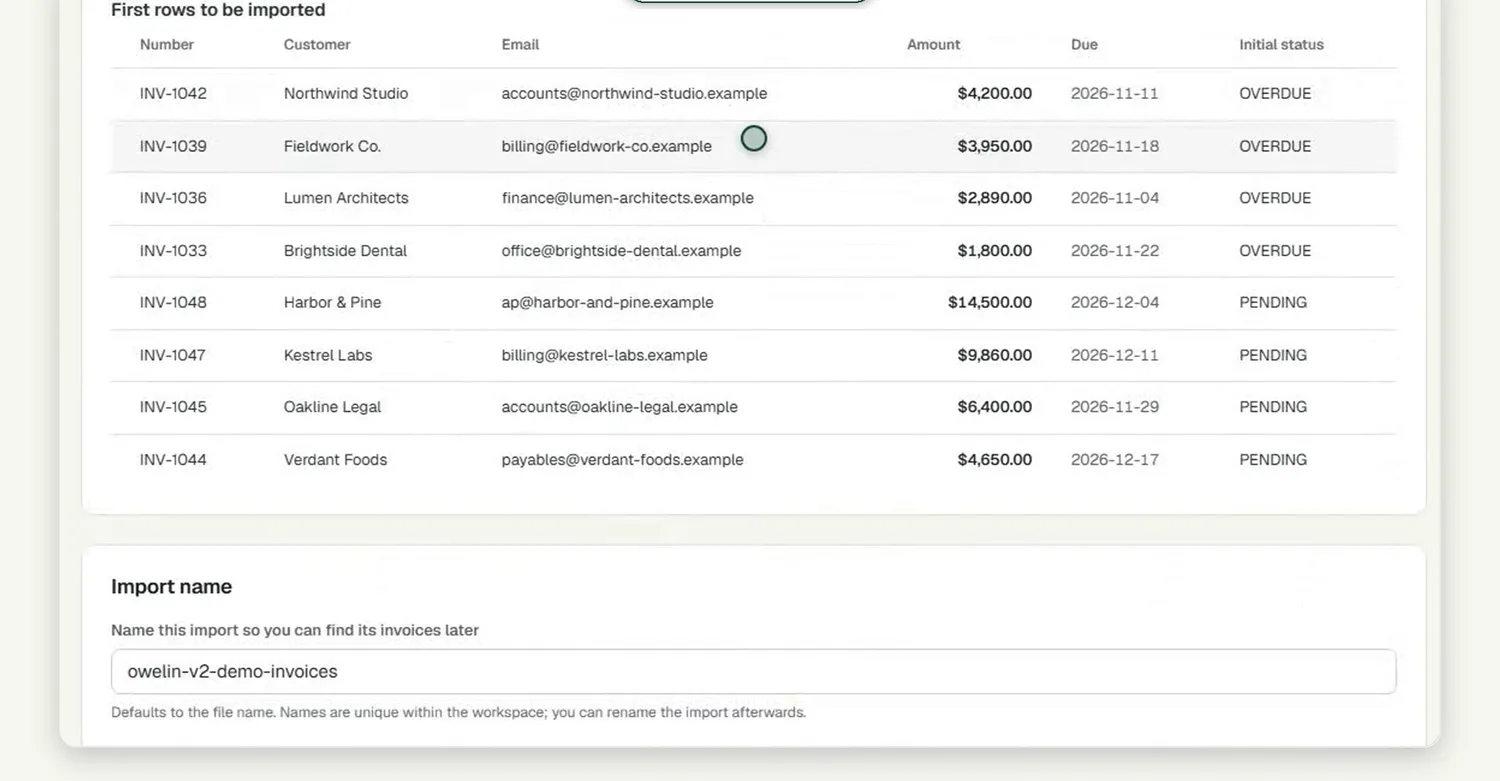
CSV import with a preview, row-level errors and duplicate detection. Strict or valid-rows-only commit.
Honest overview
Receivables are grouped per currency and never combined. “Recovered after reminder” counts only a paid invoice after a provider-confirmed send, and makes no causal claim.
AI with a human gate
Drafts use only the invoice's own facts, are schema-validated and fact-checked, and fall back to a safe template. Approval applies to an exact revision and recipient, and approving never sends.
Next.js · NestJS · PostgreSQL · BullMQ · Netlify (web) · Render (API)Live with controlled access. Registration is restricted; email delivery is not presented as operational, and there are no customers or traction to report.
Research & development · Multi-agent business orchestration
Autonomous Business AI
One Business. One Platform. An Entire AI Workforce.
Phase 0 Product definition & R&D
The ideaA platform that coordinates the connected digital operations of small and medium-sized businesses, starting in Bangladesh, through one orchestrator working with specialised agents and ordinary deterministic services, rather than a single chatbot.
Where it standsProduct definition and research only. The commercial brand, final architecture and technology stack are not decided; LangGraph is a candidate under consideration, not a chosen framework. No agents, integrations or workflows are built yet.
Proposed architecture · not implemented
Channels planned
Facebook Messenger
WhatsApp
Instagram
Website chat
Email
Central orchestrator
Intent routing · task delegation · shared context and workflow state
Specialised agents
Sales & leads
Customer support
Orders
Inventory
CRM
Marketing
Finance
Analytics
Deterministic execution layer
Structured tool calls
Order transactions
Inventory reservation
Validation & idempotency
Agents propose; typed services execute. Stock and money are never left to a model.
Tenant-isolated business data
Products
Stock
Customers
Orders
Conceptual diagram of the intended layering. It describes a design direction under study, not a built system.
Proposed first demonstration: Conversation-to-Order
Customer inquiry
Intent routing
Product & inventory retrieval
Accurate response
Customer confirmation
Order creation
Inventory reservation
CRM update
Owner notification
Research focus
Multi-agent orchestration
Task delegation & routing
Shared context & workflow state
Structured tool execution
Deterministic transactions
Human-in-the-loop governance
Failure recovery
Reliability & observability
Security & tenant isolation
Cost-conscious AI
Planned channels and capabilities are goals, not working integrations. No application screenshots, metrics or deployments exist for this project.
The tools behind the thinking.
A practical technology ecosystem for building intelligent, reliable and complete digital products.
Every technology here is tied to the projects where I have used it. No ratings, just evidence.
Drag an object, or select it, to see where I have used it.
TypeScript
Languages
Primary language across web, API and tooling work: the owelin. web app and NestJS API, private Next.js and NestJS backends, and this portfolio (strict mode).
Used inowelin. · Additional Engineering Experience · This portfolio
Always building. Always evolving.
A software engineering education, a professional internship, and independent product work that keeps raising the bar.
2024Late 2024
B.Sc. in Software Engineering
Daffodil International University
Bachelor of Science degree, completed in late 2024.
2025January to July 2025
Software Engineering Internship
Professional software engineering experience, gained between completing the degree and starting independent product work.
2025 – PresentIndependent work
Independent software and AI product engineering
Designing and building complete products on my own, from problem framing and architecture to implementation, testing and deployment preparation. The public examples are FinSyntra and owelin., alongside the Autonomous Business AI research project; additional engineering experience is not shown here.
I believe the future of software engineering belongs to people who can combine deep human reasoning, intelligent systems and the capabilities of artificial intelligence.
My focus is not simply on writing code, but on understanding what should be built, why it matters, and how to turn a complex idea into a meaningful product.
Innovation means creating something new, not simply reproducing what already exists.
Reason from first principlesStart from what is true, not from what is usual.
Design the system, not just the screenBoundaries, data and failure paths first.
Use AI as leverage, not authorityEvery output is reviewed and verified.
Prove it before claiming itTests, screenshots and honest limits.
Keep learning by buildingCuriosity turned into working software.
Let's build something intelligent.
I'm open to software engineering opportunities, applied AI engineering, product engineering and international remote collaboration.

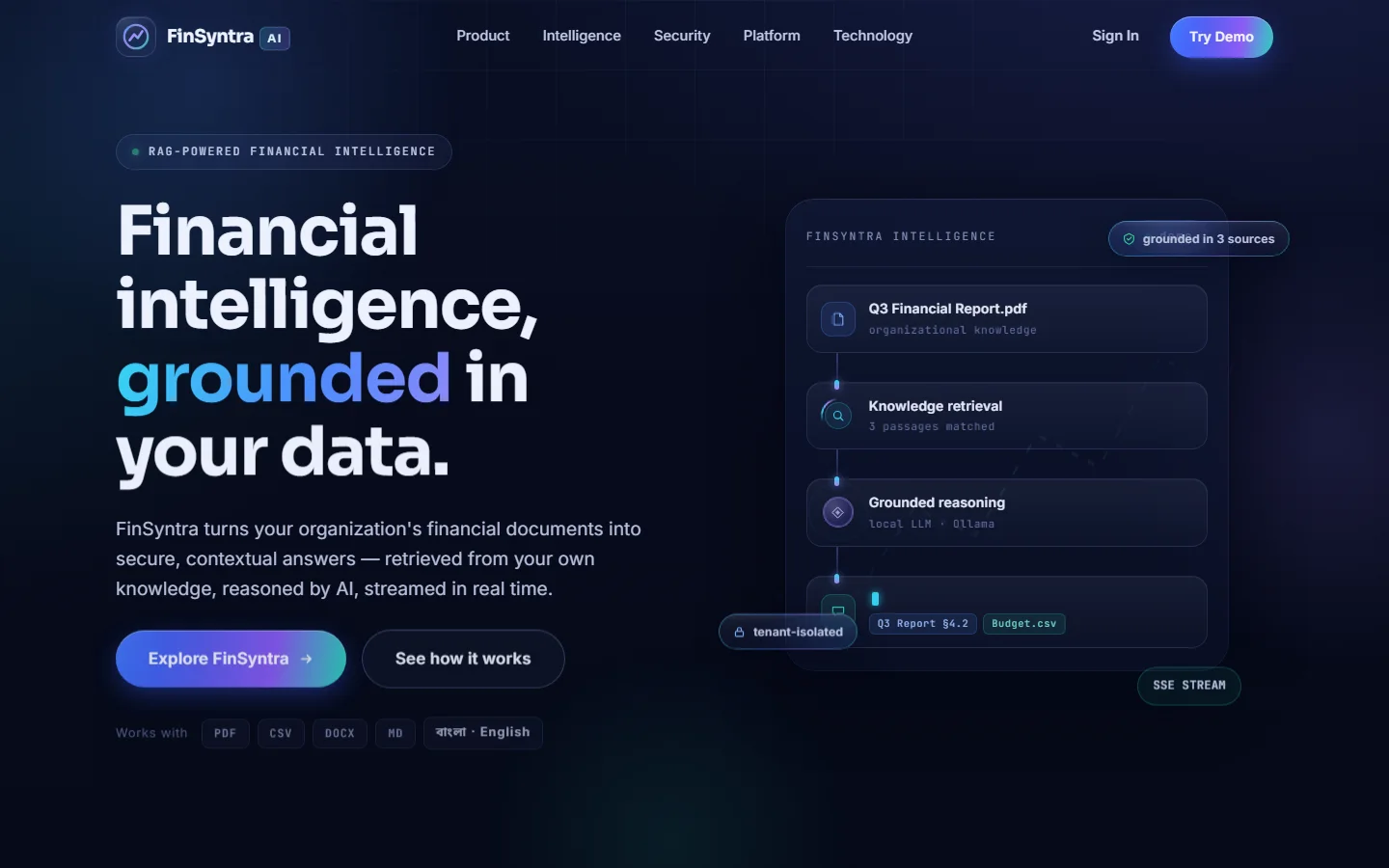 (opens full-size image in a new tab)
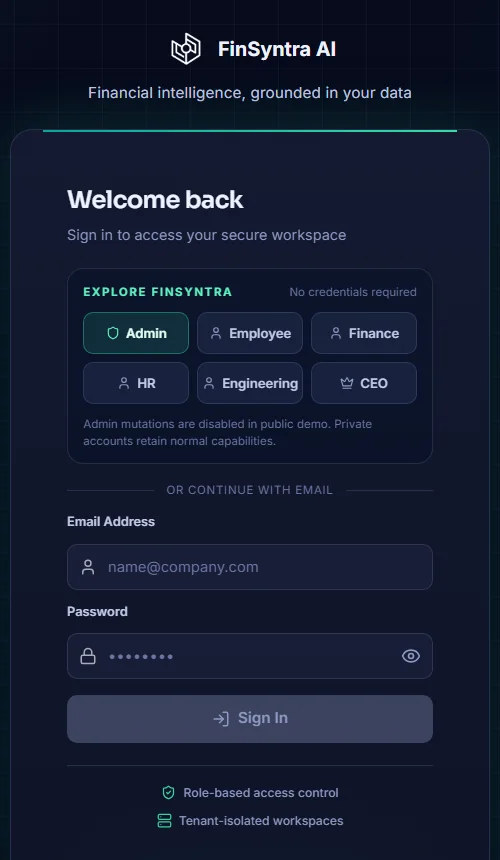 (opens full-size image in a new tab)